BIODYNAMIC FARMING
Old ways, new hands.
60.7050° N | 11.1419° E · ALM ØSTRE
60.7050° N | 11.1419° E · SOUTHERN OMMANG
LOCAL AREA · HAMAR, NORWAY
CULTURAL HERITAGE
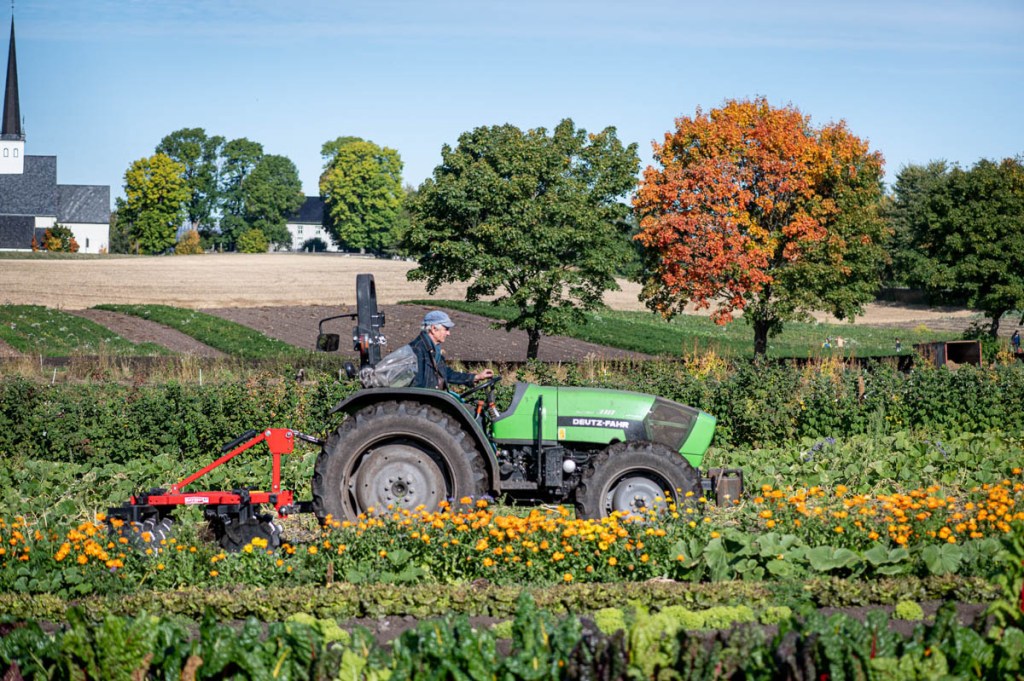
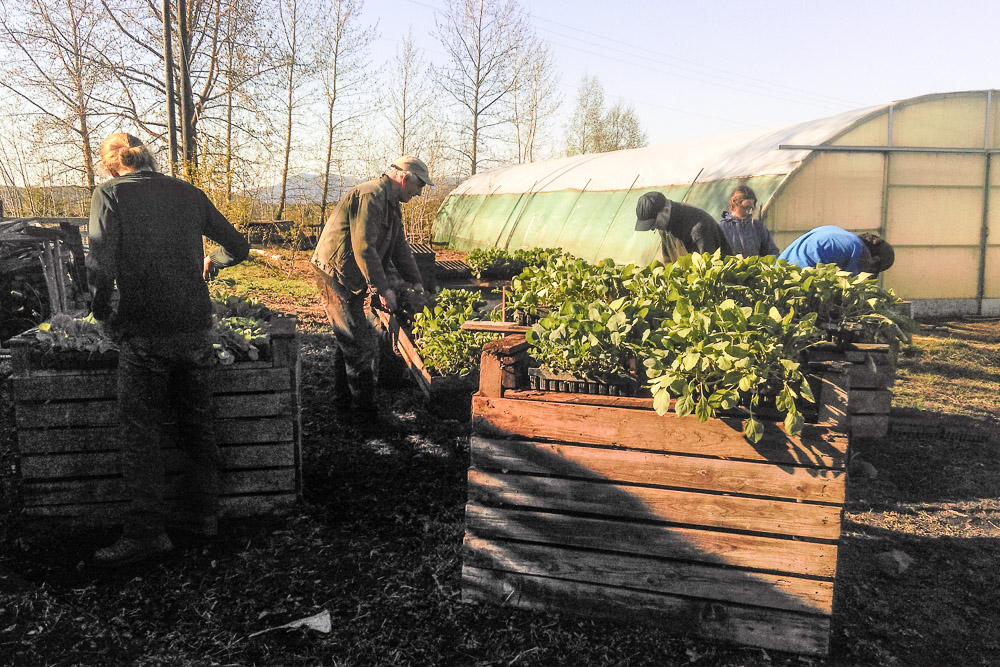
Biodynamic farming is a holistic and sustainable approach to agriculture that extends far beyond standard organic practices. In the fertile Hamar region—renowned for its rich farming traditions—this method plays a vital role in preserving both the local environment and cultural heritage.
Local pioneers like Alm Østre align their growing processes with natural rhythms, such as lunar cycles and seasonal movements, completely avoiding synthetic chemicals and artificial fertilizers to foster resilient, living soil. Alongside this, farms like Ommang Southern Farm champion pure organic methods, ensuring that crops are cultivated without harmful pesticides or additives.
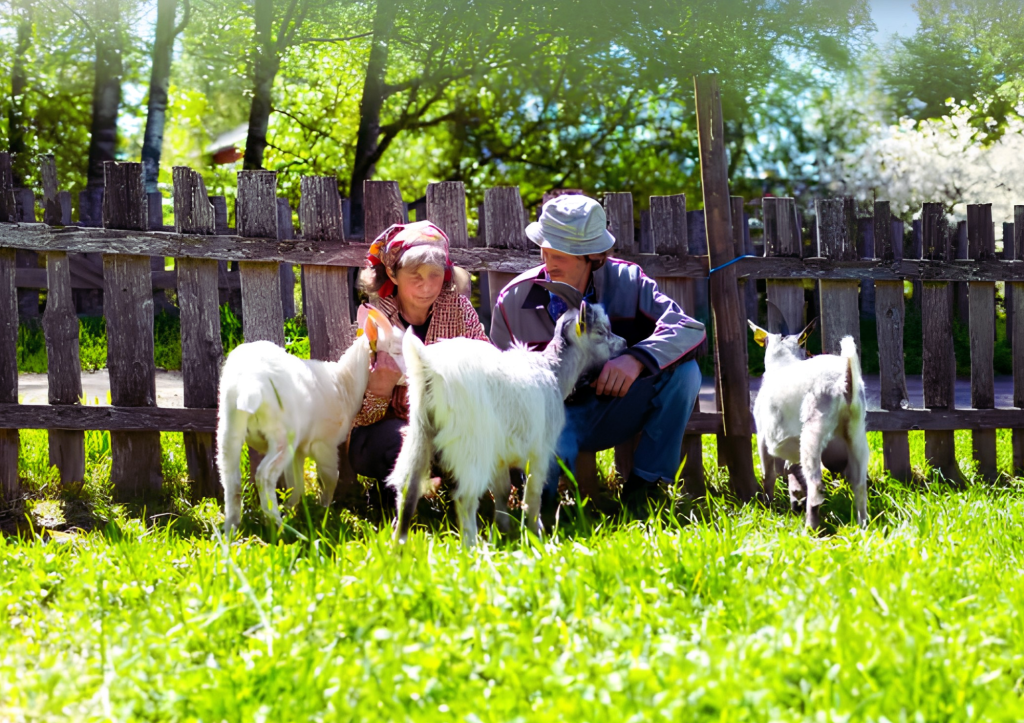
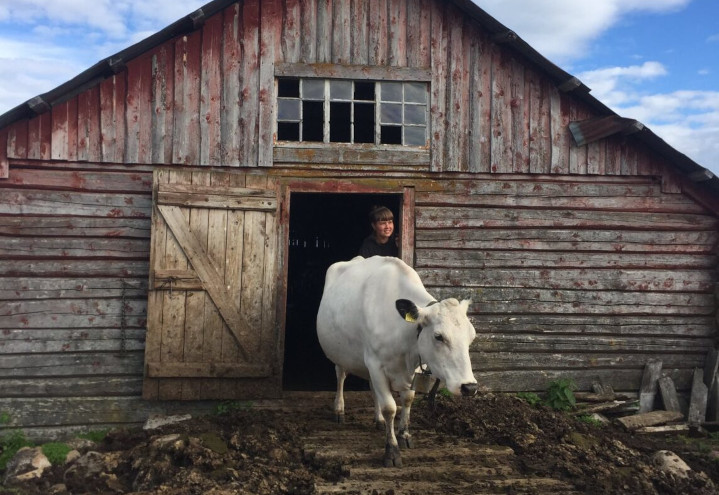
Animal welfare is a core priority: livestock enjoy access to open spaces, fresh air, and dedicated care. Furthermore, regional farms actively preserve agricultural history by cultivating ancient grain and fruit varieties, safeguarding genetic diversity. By blending time-honored traditions with modern sustainability, biodynamic farming strengthens local identity, environmental consciousness, and ecological resilience in the Hamar region.
CULTURAL HERITAGE | QUICK FACTS
Key Locations & Coordinates
60.7050° N | 11.1419° E · ALM ØSTRE
60.7050° N | 11.1419° E · OMMANG SOUTHERN FARM
Farming & Tradition
Region: Hamar Region, Norway
Method: Biodynamic & Organic
Heritage: Preservation of ancient grain & fruit varieties
Animal Welfare
Strict standards ensuring open spaces, fresh air, and natural care.
Environmental Impact
- Biodiversity: Organic and biodynamic systems maintain 30–50% higher biodiversity (insects, birds, and flora) than conventional farming.
- Microbial Life: Active biological soil has multi-fold higher fungal and bacterial diversity.

HISTORIC ART FARM &
BOUTIQUE STAYS
IN LØTEN, NORWAY
EST. 1777 · LØTEN, NORWAY
 Bjørke østre